
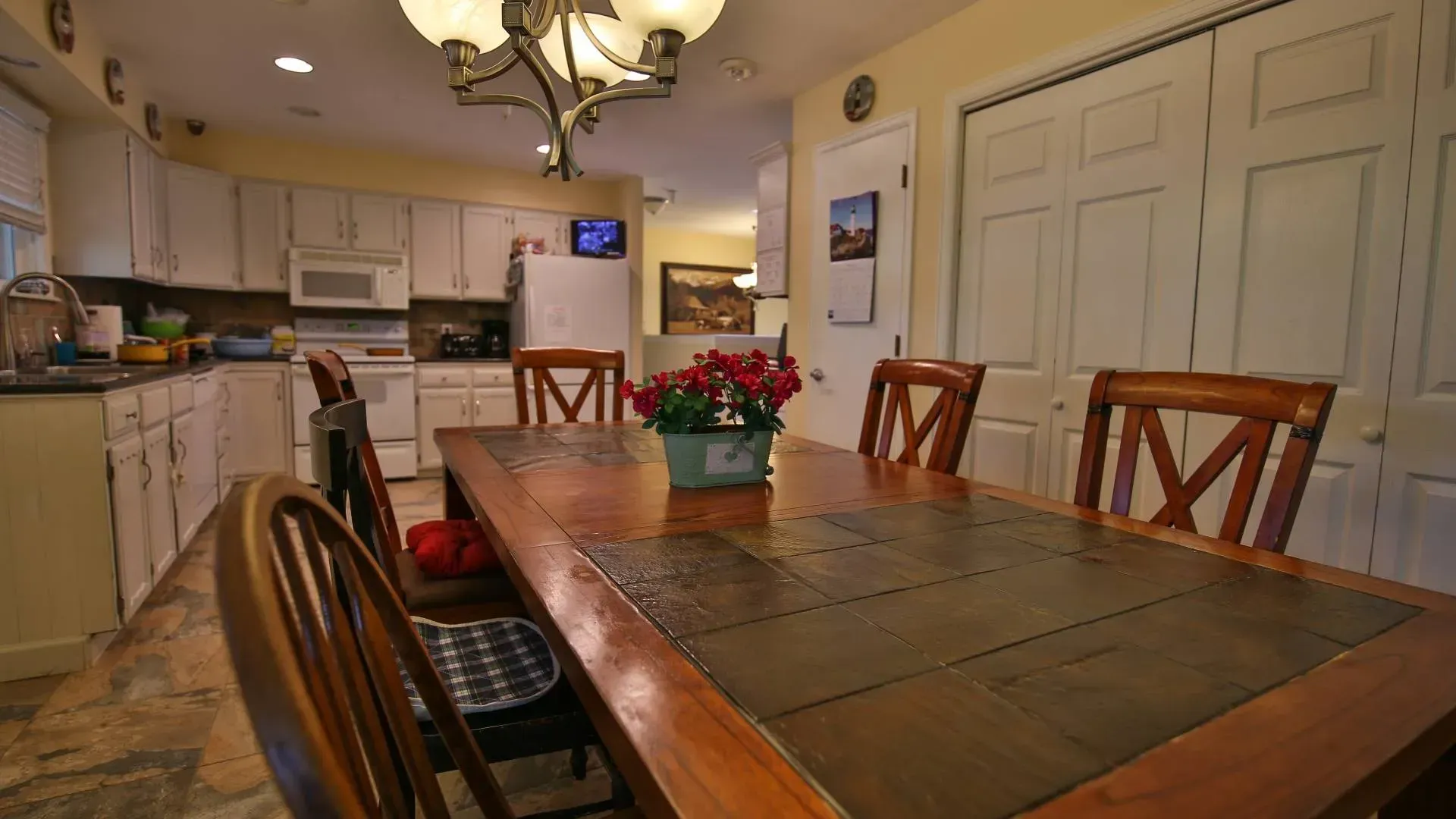
Caring for a parent in Centennial and need a break? Learn how respite care in a small, home-like setting works, who it helps, and how to plan a first stay.
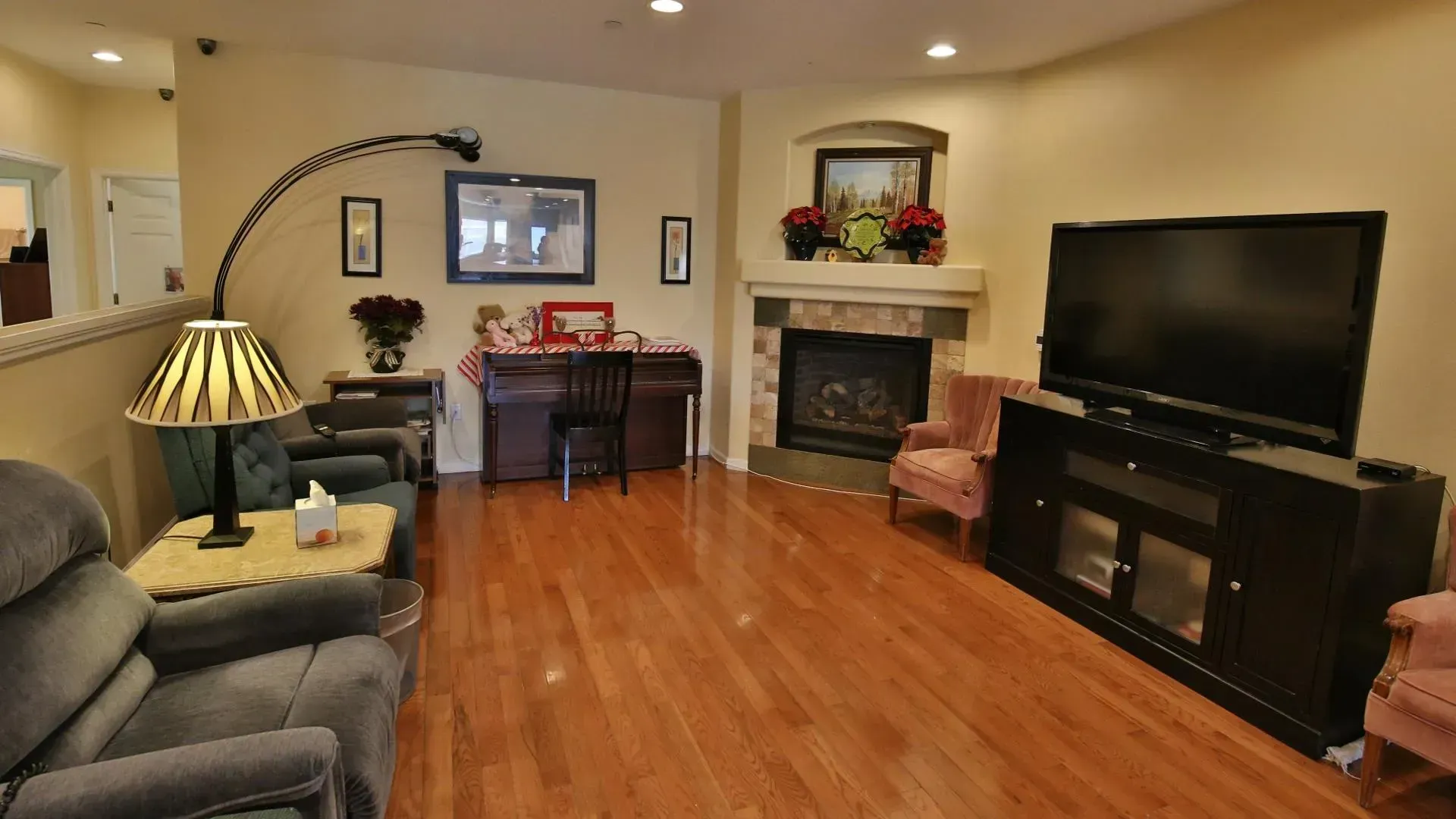
Looking at assisted living or memory care in Littleton, CO? Learn what to ask, what to look for on a tour, and how Lighthouse's two Littleton homes can help.

Learn why older adults make frequent nighttime bathroom trips, when to call a doctor, and how families can reduce sleep disruption and fall risks.

Is your parent missing conversations or seeming forgetful? Learn how hearing loss can affect daily life, what to notice, and when to arrange a hearing check.

Does your parent cough when drinking water? Learn the signs of swallowing problems, when to seek help, and what families should ask about mealtime care.

You get up to make coffee, and Mom gets up too. You walk down the hallway, and she follows. You close the bathroom door, and a moment later she is calling your name. You explain that you will be right back. Five minutes later, you are explaining it again. For someone caring for a parent or spouse with dementia, this constant following can become one of the hardest parts of the day. You love the person. You also need to shower, answer a phone call, or sit quietly without someone needing you. This behavior is often called dementia shadowing . Understanding what may be behind it can help you respond with more patience—and recognize when you need more support. What Is Dementia Shadowing? Shadowing describes a person with dementia closely following a caregiver or trying to keep them in sight. They may move from room to room behind you, repeatedly ask where you are going, or become upset when you step away. The Fisher Center for Alzheimer’s Research Foundation explains that this behavior may express uncertainty, insecurity, or fear. A familiar caregiver can become an important source of reassurance when everyday surroundings feel confusing. alzinfo.org Following someone does not, by itself, establish a dementia diagnosis or tell you the person’s stage of illness. Their overall health, abilities, and changes over time need professional assessment. For families exploring dementia care Centennial, CO , describing what happens when a caregiver leaves sight can be a useful part of the conversation about care needs. Why Leaving the Room Can Feel So Upsetting From your perspective, nothing concerning has happened. You are simply taking the laundry upstairs. Your loved one may experience that moment differently. They may not remember where you went, understand how long you will be away, or feel confident about what to do without you. That can make repeated explanations less helpful than you expect. The explanation may be forgotten while the uneasy feeling remains. Some people also follow because they want company or participation. Someone who once prepared dinner every evening may trail you into the kitchen because helping with the meal still feels familiar and meaningful. AgingCare’s coverage describes both anxiety and the desire for purposeful activity as possible contributors to shadowing. AgingCare.com Before choosing a response, notice whether your loved one seems frightened, lonely, interested in helping, or uncomfortable. Look for What Happens Just Before the Following Starts A short record can help you notice patterns that are difficult to see during a busy day. Write down: When the following begins. What happened immediately beforehand. Whether the person appears worried or physically uncomfortable. Whether noise, visitors, or a change in routine is involved. What seems to help. For example, “Dad followed me repeatedly while several visitors were talking in the kitchen” gives a care professional more useful information than “Dad has become difficult.” The Alzheimer’s Association notes that changes in surroundings, caregiver arrangements, medical conditions, and medication interactions can contribute to anxiety or agitation. Checking for discomfort and reducing confusing stimulation may help. Alzheimer's Association What You Can Try in the Moment Keep reassurance brief A long explanation may ask more of the person’s memory than they can manage. Try a calm, simple statement: “I’m getting a towel. You can sit here while I do that.” Avoid promising a return time you cannot keep. Pay attention to whether your tone and presence provide more comfort than additional detail. Offer something familiar to do together If your loved one wants to participate, choose an activity that fits their current abilities: folding washcloths, matching socks, looking through photographs, or arranging napkins. The activity should feel comfortable and worthwhile. If it causes frustration, simplify it or try something else. Make the surroundings easier to follow Consider whether the television is loud, several conversations are happening at once, or the room feels unfamiliar. A quieter setting and a predictable routine may provide reassurance, although each person responds differently. alzinfo.org When comparing residential assisted living Centennial, CO , ask how caregivers learn a resident’s familiar routines and respond when that person becomes anxious. How to Take a Break When You Are the Person They Want Being told to “take time for yourself” can feel unrealistic when your loved one becomes distressed every time you leave. A useful starting point is a specific plan for who will provide care during the break. Discuss introducing another helper gradually. You might initially spend time together, share a familiar activity, and explain which words, routines, and preferences usually bring comfort. A dementia care professional can help tailor the approach to your loved one. Avoid locking the person alone in a room or leaving them without the supervision they need. If they try to leave the home to find you, include that risk in the care plan. Families researching respite care Centennial, CO can ask about assessment requirements, current availability, and how a temporary caregiver would learn the person’s needs. Wanting a break is a reason to arrange help. You do not have to wait until you are exhausted to begin that conversation. When a Sudden Change Needs Medical Attention A new or sharply increased need to stay close should not automatically be attributed to dementia. Contact a healthcare professional about an unexplained behavior change, particularly when it accompanies pain, poor intake, a medication change, or signs of illness. Sudden confusion requires immediate medical evaluation. Possible causes include infection, medication effects, stroke, or head injury. Call 911 for emergency symptoms such as facial drooping, new weakness, trouble speaking, severe breathing difficulty, or difficulty waking. NHS Caregiving strategies should never replace assessment of a sudden health change. Questions to Ask When You Need More Support If constant following is interfering with sleep, personal care, or your ability to supervise safely, bring those details to a care conversation. When exploring assisted living Englewood, CO , consider asking: How do you respond when a resident repeatedly looks for one familiar person? How do you learn their usual routines and sources of comfort? How are changes in behavior communicated to families? How do you assess supervision needs? How would you help them become familiar with additional caregivers? These questions are useful whether you are arranging help at home or considering a residential setting. Talk With Lighthouse About Your Family’s Needs Lighthouse Assisted Living offers small, home-like residential settings in Centennial, Englewood, and Littleton. Families can discuss daily care needs, dementia support, and whether a particular home may be an appropriate fit. If you are considering assisted living Centennial, CO , call 720-344-7217 to ask questions or arrange a visit. Describe an ordinary day: how often your loved one follows you, what happens when you step away, and where you are struggling. Those details can help make the conversation more practical and personal. This article provides general education and does not replace individualized medical advice.

Repeated payments, missed bills, and unusual purchases may reveal changes in memory and judgment before conversational problems become obvious.

Learn why a person with dementia may mistake their reflection for a stranger, how families can respond calmly, and which environmental changes may reduce fear.

Why can a person with dementia appear completely fine during an appointment? Learn about dementia “showtiming” and how caregivers can help doctors see the full picture.
Learn why people with dementia may hide possessions, forget where they placed them, and accuse caregivers—and how families can respond calmly and safely.