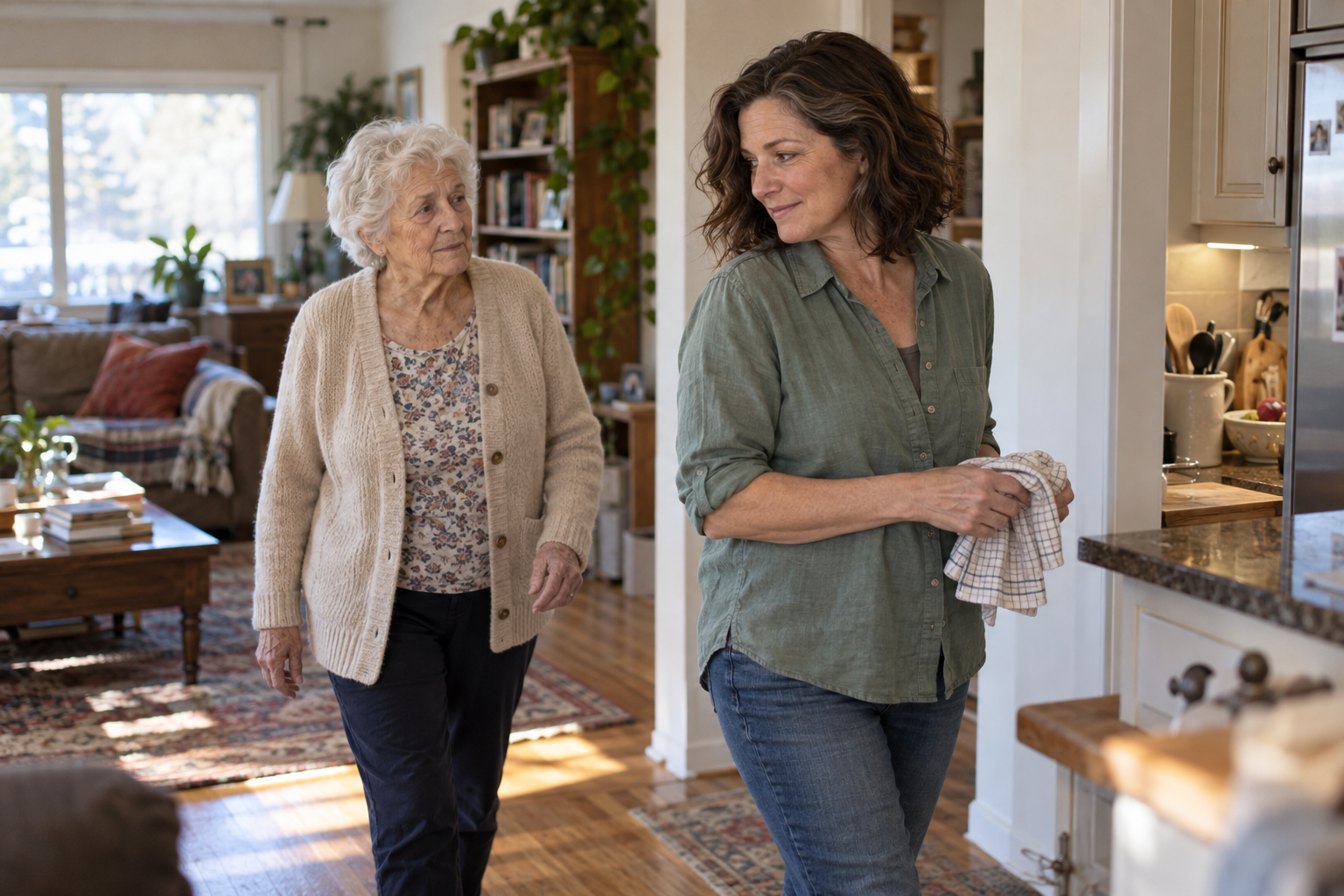

Moving Seniors with Dignity: The Launch of Specialty Transportation Concierge by Liz Littleton

May 19, 2025

Navigating the logistics of moving a senior loved one across states or even across the country can be overwhelming—emotionally, physically, and financially. Many families face tough decisions when trying to relocate aging parents or grandparents closer to home, often with limited resources and few safe options tailored to senior-specific needs.


That’s where Specialty Transportation Concierge (STC) comes in—a new, compassionate solution bridging the gap between clinical medical transport and the personal care that seniors truly need. Founded by healthcare veteran Liz Littleton, STC is transforming the way older adults move across long distances by providing safe, affordable, and personalized relocation services for seniors and their families.

From Personal Compassion to Public Mission

STC is not just another transportation service—it is a deeply personal mission brought to life. With over 20 years of experience in hospice care, long-term care, and assisted living, Liz Littleton has seen firsthand the barriers that seniors and their families face when trying to relocate across long distances. The idea for STC was born from a moving real-life experience.


While serving at Lighthouse Assisted Living, Littleton encountered a resident who desperately wanted to relocate from Florida to Denver to be closer to family. Traditional medical transport services quoted over $30,000 for the move—a price far out of reach for the resident and her family. In an extraordinary gesture, Littleton stepped in to manage the relocation herself.


She researched affordable airline tickets, coordinated special accommodations, and personally escorted the resident across the country—proving that it could be done for a fraction of the original cost, without compromising safety or dignity.


That moment planted a seed. Liz realized there was a major gap in the senior care industry—an absence of customized, long-distance transportation options that respect the needs, preferences, and limitations of aging adults. Specialty Transportation Concierge was created to fill that gap.

A New Standard in Long-Distance Senior Relocation

Unlike traditional ambulance services or ride-hailing apps, Specialty Transportation Concierge is designed exclusively for seniors, especially those with medical conditions like dementia, mobility issues, or incontinence. The company’s focus is on non-emergency, long-distance medical transport—with the added layers of compassion, planning, and respect that families deserve.


Each transport is handled with the kind of attention usually reserved for private healthcare navigation. The STC process is meticulous, ensuring every trip is safe, comfortable, and even enjoyable. Some of the hallmarks of STC’s senior transport model include:


Personalized Pre-Trip Planning


Every STC journey begins with a thorough consultation. The team takes the time to understand the individual’s health conditions, mobility challenges, and emotional needs. Family members are involved from the beginning to ensure every detail is considered—from medication schedules to preferred snacks.


STC also coordinates special equipment, such as reclining wheelchairs, oxygen concentrators, portable lift chairs, urinals, incontinence supplies, and more, depending on the client’s unique health needs.


Airline Comfort, Senior-Friendly Style


Instead of relying on commercial medical transportation or expensive chartered flights, STC uses first-class commercial air travel to reduce costs while maintaining comfort. Seats are selected for accessibility, privacy, and ease of restroom use. Liz and her team escort seniors through the entire experience—from curb to gate to arrival—eliminating the stress of airport navigation and layovers.


The first-class environment also ensures ample legroom, peaceful surroundings, and personalized attention throughout the flight.

Professional Companionship and Safety Monitoring


Unlike ride services that simply drop off and pick up, STC is with the client every step of the way. Whether it’s a senior relocating from assisted living in Florida to an independent apartment in Colorado, or a dementia patient moving closer to family in Arizona, Liz and her team provide professional companionship, emotional reassurance, and medical oversight throughout the journey.


In fact, STC caregivers are equipped to administer medications, handle minor medical needs, and ensure that hydration and nutrition are maintained during the trip.

Creating Joy in the Journey

One of the most remarkable things about Specialty Transportation Concierge is that it goes beyond logistics. Liz Littleton has a vision not just to transport seniors, but to create meaningful life experiences for them.


In one touching example, Liz recounted a journey she shared with a 99-year-old woman relocating to be with family. What could have been a stressful ordeal turned into a joyful memory. “We had a glass of champagne, relaxed, and had a really fun time,” Liz shared in a recent press interview. “It wasn’t just a relocation. It was a celebration.”


This mindset sets STC apart—transforming the ordinary into the extraordinary, and recognizing that for many seniors, this move is a major life milestone, not just a transfer from point A to point B.

Why Families Are Turning to Specialty Transportation Concierge

STC answers a growing need among families with aging parents and loved ones living far away. As the U.S. population ages and mobility becomes more limited, many seniors are seeking to move closer to their children, grandchildren, and support networks. But until now, options have been limited:


  • Medical transport companies often focus on urgent care transfers or hospital discharges and are prohibitively expensive for planned relocations.
  • Ride-share apps are not equipped to handle the physical or cognitive needs of senior passengers.
  • Long car rides or solo flights are exhausting and risky for older adults.

Specialty Transportation Concierge offers a middle ground—safe, reliable, and dignified senior transportation that’s tailored to individual needs and far more affordable than traditional private medical services. By pairing compassionate caregiving with smart logistics, STC provides families peace of mind and a practical solution to one of life’s most delicate transitions.

Who Can Benefit from STC Services?

STC is ideal for a wide range of clients, including:


  • Seniors relocating from one assisted living facility to another
  • Older adults moving in with family members in another state
  • Seniors transitioning to memory care or specialized facilities
  • Families needing to reunite parents separated by distance
  • Elderly individuals recovering from surgery or rehabilitation who cannot travel alone

In addition, STC works with senior living facilities, hospice providers, and hospital discharge teams to coordinate seamless transitions between care settings and family environments.

Building a Legacy of Compassionate Care

Liz Littleton’s commitment to STC is a reflection of her larger mission: to revolutionize senior care through dignity, compassion, and innovation. With over two decades of experience in caregiving and senior services, Liz is uniquely positioned to identify the gaps in the system and fill them with empathy-driven solutions.


Her work at Lighthouse Assisted Living shaped her understanding of what seniors truly need—not just physical support, but emotional connection, consistency, and comfort. With Specialty Transportation Concierge, she’s bringing those values into a new frontier, ensuring that moving closer to family doesn’t have to come at the cost of stress, fear, or financial burden.

The Road Ahead

As the need for long-distance senior relocation continues to grow, Specialty Transportation Concierge is poised to become a national leader in senior transportation services. Liz Littleton is currently working to expand operations, train additional travel companions, and develop partnerships with senior living communities and healthcare providers nationwide.


The company also offers free consultations for families who are considering a move, helping them evaluate options, understand costs, and plan with confidence.

Learn More or Book a Consultation

If you or a loved one are facing the challenge of long-distance relocation, don’t settle for cold, impersonal transport services. Choose the compassionate care and thoughtful planning of Specialty Transportation Concierge.


Learn more about services, read testimonials, or schedule a consultation

Caregiver supporting an older woman at home during a conversation
By Lighthouse Assisted Living July 24, 2026
Confusion, dizziness, fatigue, and falls are not always normal signs of aging. Learn when a senior’s medications may deserve a closer review.

Active older adults walking together through a bright indoor hallway
By Lighthouse Assisted Living July 14, 2026
A new seven-year study linked greater sedentary time with cognitive decline and brain changes in older adults—even among those who exercised.
Caregiver helping an older woman with grooming in a comfortable home
By Lighthouse Assisted Living July 9, 2026
Learn why some seniors resist bathing, what fear, pain, dementia, and lost privacy may have to do with it, and how families can respond with dignity.

Senior woman holding a glass of water to support healthy hydration
By Lighthouse Assisted Living July 3, 2026
Learn why older adults may become dehydrated without feeling thirsty, the subtle warning signs families miss, and practical ways to support safer hydration.
June 9, 2026
Why do people with dementia remember decades-old memories but forget recent events? Learn the science behind memory loss and how families can better connect with loved ones.
May 31, 2026
Many families begin researching assisted living in Colorado only after a crisis occurs. A fall, a hospitalization, worsening memory loss, or concerns about a loved one's safety often become the catalyst for exploring care options. However, waiting until an emergency forces the decision can create emotional, physical, and financial challenges that many families never anticipate. Whether you're considering Assisted Living in Centennial CO , Assisted Living in Littleton CO , or evaluating other senior care options in the Denver metro area, understanding the hidden costs of delaying care can help you make a more informed decision for your loved one. At Lighthouse Assisted Living, we've worked with many families who wished they had started the conversation sooner. Exploring care early often leads to better outcomes, smoother transitions, and greater peace of mind for everyone involved. The Emotional Cost: Living in Constant Uncertainty Adult children often notice subtle changes long before a major event occurs. Perhaps Mom is forgetting appointments more frequently. Maybe Dad seems withdrawn, misses medications, or struggles to maintain the house. Many families tell themselves: "It's probably just normal aging." "She's still doing okay." "We'll keep an eye on things." But as concerns accumulate, family members often find themselves living with ongoing worry and anxiety. Questions begin to linger: Is Mom eating enough? Did Dad remember his medication today? What happens if there's an emergency? The emotional toll of constantly worrying about a loved one's safety can become overwhelming. Exploring senior care options before a crisis occurs allows families to make decisions from a place of confidence rather than fear. The Physical Cost: Increased Risk of Falls and Medical Emergencies One of the most significant hidden costs of delaying residential assisted living is the increased risk of injury and preventable medical emergencies. As seniors age, everyday activities can become more challenging. Missed medications, poor nutrition, dehydration, and falls often become more common when older adults live alone without adequate support. Families researching Assisted Living Centennial CO , Assisted Living Littleton CO , or Assisted Living Englewood CO are often surprised to learn that many safety concerns can be addressed before they escalate into serious health events. For seniors experiencing cognitive decline, specialized Memory Care Colorado services can provide structured support, daily supervision, and personalized care plans that help reduce risks while preserving dignity and independence. Those living with Alzheimer's disease may benefit from dedicated Alzheimer's Care Littleton CO programs, while families facing dementia-related challenges often seek professional Dementia Care Centennial CO services that provide both safety and meaningful engagement. The Health Cost: Small Problems Become Bigger Problems Many health concerns begin gradually. A senior may start skipping meals because cooking feels overwhelming. Medications may become confusing. Doctor appointments may be forgotten. These seemingly small issues can compound over time. What starts as mild forgetfulness may eventually lead to: Medication complications Weight loss Increased hospitalizations Declining mobility Accelerated cognitive decline Early intervention and consistent daily support can often help seniors maintain a higher quality of life for longer. Families frequently discover that moving to a supportive environment earlier allows their loved one to thrive socially, physically, and emotionally. The Cost to Family Caregivers When families postpone exploring assisted living, caregiving responsibilities often increase significantly. Adult children frequently find themselves balancing: Careers Children Personal responsibilities Caregiving duties This can lead to caregiver burnout, chronic stress, and feelings of guilt. Many caregivers report spending countless hours coordinating: Medical appointments Medication management Transportation Meal preparation Household maintenance The reality is that caregiving can become a full-time job. Seeking professional support isn't giving up. It's ensuring your loved one receives the care they need while allowing family members to return to their most important role: being family. The Financial Cost Isn't Always What Families Expect One of the biggest misconceptions about assisted living is that waiting saves money. In reality, delaying care can sometimes lead to: Emergency room visits Hospital stays Rehabilitation costs Home modifications Private in-home caregiving expenses Increased medical complications Many families are surprised to discover that the combined costs of maintaining support at home can approach or even exceed the cost of an all-inclusive assisted living community. When evaluating options, it's important to compare the full picture rather than focusing solely on monthly housing costs. Why Earlier Transitions Often Lead to Better Outcomes One of the most overlooked benefits of exploring assisted living sooner is the opportunity for a smoother adjustment. When seniors move before a major health crisis occurs, they often have more energy and capacity to: Build new friendships Participate in activities Establish routines Become familiar with caregivers Enjoy a greater sense of community At Lighthouse Assisted Living, many residents enjoy daily activities such as music, gardening, crafts, exercise, games, outings, and memory therapy in a comfortable home-like environment. Rather than feeling isolated, residents often rediscover purpose, connection, and joy. A Different Approach to Assisted Living in Centennial, Englewood, and Littleton Choosing assisted living isn't about giving up independence. It's about creating an environment where seniors can receive the support they need while continuing to enjoy meaningful daily experiences. Lighthouse Assisted Living provides personalized care in residential homes throughout: Centennial, Colorado Englewood, Colorado Littleton, Colorado With specialized support for dementia care, Alzheimer's care, Parkinson's care, hospice care, and respite care, residents can age in place in a familiar and nurturing setting. Final Thoughts The hidden cost of waiting too long to explore assisted living isn't simply financial. It's the stress, uncertainty, health risks, caregiver burden, and missed opportunities for a better quality of life. Starting the conversation early gives families more options, more time, and greater peace of mind. Even if your loved one isn't ready to move today, learning about available care options now can help you make informed decisions when the time comes. If you've begun noticing changes in a loved one's safety, memory, or daily routines, now may be the perfect time to start the conversation.
April 23, 2026
When most people think of an infection, they picture obvious symptoms—fever, coughing, pain, or fatigue. But in older adults, infections often appear differently. In some cases, the first signs are subtle changes in mood, energy, appetite, or alertness rather than the symptoms families expect. Because the aging body responds differently to illness, even a mild infection can look unusual at first. A senior may seem more tired than usual, less interested in conversation, slightly confused, or simply “not quite themselves.” Understanding these differences helps families recognize when extra attention may be needed. Why the Body Responds Differently With Age As people age, the immune system often reacts more slowly. This means infections may not always cause a strong fever or dramatic symptoms. Instead, older adults may show quieter signs such as: unusual tiredness reduced appetite increased sleepiness less interest in normal activities slower responses during conversation For families searching for assisted living in Littleton CO , these subtle changes are often the kinds of things they notice first. Confusion Can Sometimes Be an Early Sign One of the most surprising ways infections can appear in seniors is through temporary confusion. A person who normally follows conversation well may suddenly: ask repeated questions seem distracted lose track of simple details appear more forgetful than usual This can happen because even minor infections sometimes affect hydration, circulation, and energy levels more quickly in older adults. Urinary Tract Infections Often Present Differently in Seniors Urinary tract infections (UTIs) are one example families often do not immediately recognize. In younger adults, discomfort or burning may be obvious. In older adults, symptoms may instead appear as: confusion weakness sudden fatigue reduced appetite changes in balance That is one reason caregivers often watch carefully for small daily differences rather than waiting for obvious symptoms. Why Appetite and Hydration Matter During Illness A senior who suddenly eats less or drinks less may not simply be having an off day. Even mild illness can quickly affect: hydration strength alertness blood pressure comfort For seniors living with memory changes, this can become even harder to notice without daily support. Small Changes Often Matter More Than Families Expect Sometimes the earliest signs are easy to dismiss: wanting extra naps speaking less than usual sitting quietly through meals not finishing a favorite snack Individually these may seem minor, but together they often tell a fuller story. Why Residential Assisted Living Helps Catch Small Changes Earlier In a residential setting like Newland House, caregivers see residents throughout the day and notice subtle differences more quickly. That may include: someone quieter at breakfast less steady walking slower answers during conversation less interest in afternoon activities These daily observations help care remain responsive and personal. Memory Care and Illness Can Overlap For seniors living with dementia, infections can sometimes temporarily increase confusion or make daily routines feel harder. This is one reason families exploring memory care in Littleton, Colorado often value settings where caregivers understand how health changes may appear differently in older adults. When Families Should Pay Closer Attention A single tired day is not always concerning. But families may want to ask more questions when changes appear suddenly or continue beyond a day or two. Helpful things to watch for include: unusual sleepiness sudden confusion less appetite new weakness reduced interest in conversation Assisted Living in Littleton That Supports Daily Wellness Families exploring senior care near Jefferson County , assisted living near Southwest Denver , or residential assisted living in Littleton often appreciate environments where daily observation is part of compassionate care. At Lighthouse Assisted Living, everyday routines allow caregivers to notice small changes early while supporting comfort, dignity, and steady wellness. For families wanting to understand how that looks in a residential setting, Newland House offers a helpful example of how attentive daily care supports both comfort and health.
April 14, 2026
Families often notice physical changes first—slower walking, reduced appetite, or more frequent fatigue. But in many cases, one of the earliest signs that extra support may be needed appears in conversation. A parent who once easily followed long discussions may begin losing track mid-sentence, repeating stories more often, or becoming quieter during family visits. These changes can happen gradually, which is why they are often easy to overlook at first. Not every communication change means something serious is happening, but patterns in conversation often give families helpful clues about how daily life is changing. Why Conversation Often Changes With Age As people get older, communication may naturally slow a little. Processing speed can change, hearing may become less sharp, and fatigue may affect how long someone wants to talk. Some normal age-related changes include: taking longer to answer questions pausing more often during conversation needing reminders during long discussions preferring quieter settings for conversation These changes alone are often part of normal aging. When Communication Changes May Suggest More Support Is Needed Sometimes families notice changes that feel different from normal slowing. Examples include: repeating the same story several times in one visit losing track of what was being said answering questions in unrelated ways withdrawing from group conversation seeming overwhelmed by too many voices at once These moments often appear before larger daily care needs become obvious. For families searching for assisted living in Littleton CO , subtle communication changes are often one of the earliest reasons they begin asking whether extra daily support would help. Why Quietness Can Sometimes Be Misread Some older adults simply become quieter because they are tired, hearing less clearly, or choosing words more carefully. Other times, reduced conversation happens because: social situations feel harder to follow memory changes create uncertainty hearing loss causes frustration energy is lower later in the day This is why noticing patterns matters more than isolated moments. How Daily Routine Can Support Better Communication Conversation often becomes easier when daily life feels calm and predictable. Helpful conditions include: regular mealtimes quiet surroundings one-on-one conversation familiar caregivers gentle pacing throughout the day When pressure is reduced, many seniors speak more comfortably and engage more naturally. Communication and Memory Care For seniors living with dementia, communication may change in ways families do not expect. Someone may remember emotions clearly while struggling with recent details. A person may answer warmly but lose track of specific questions. This is one reason families looking for memory care in Littleton, Colorado often value settings where caregivers understand how communication changes without rushing or correcting unnecessarily. How Residential Assisted Living Helps Caregivers Notice Small Changes In a residential setting like Wadsworth House, caregivers spend enough time with residents to notice small shifts in daily conversation. That might include: someone speaking less during breakfast needing more reminders during daily routines pausing more often than usual becoming quieter in the evening These observations help care stay personal and responsive. Why Families Often Notice It During Visits Many families first notice communication changes during ordinary visits: a shorter phone call less detail in conversation more repeated questions longer pauses than usual These moments often lead families to begin thinking differently about support. Assisted Living in Littleton That Supports Everyday Comfort Families exploring residential assisted living in Littleton , senior care near Jefferson County , or memory care near Southwest Denver often want an environment where daily interactions remain calm, patient, and personal. At Lighthouse Assisted Living, daily care is built around relationships, observation, and steady routines that help residents feel comfortable and respected each day For families learning what that looks like in a residential setting, Wadsworth House offers a helpful example of how small daily details—including conversation—can shape quality of life.
April 9, 2026
It is common for families to notice changes in sleep patterns as a loved one ages. A parent who once stayed active throughout the day may begin taking longer naps, resting more often, or seeming unusually tired in the afternoon. While some daytime sleepiness can be a normal part of aging, noticeable changes in sleep habits sometimes raise important questions. For older adults, increased daytime sleep can happen for many reasons, including natural changes in the body, medication adjustments, reduced activity, or underlying health concerns. Understanding what is typical—and when to pay closer attention—can help families feel more confident as they support aging loved ones. Why Sleep Patterns Change With Age As people get older, sleep often becomes lighter and more easily interrupted. Seniors may wake more often during the night, sleep fewer deep hours, or rise earlier than they used to. Because nighttime sleep may feel less restorative, daytime naps often become more frequent. Some older adults simply need more quiet time during the day, especially after meals or activities. A short nap is often normal and can even feel refreshing. Common Reasons Seniors Sleep More During the Day Several everyday factors can contribute to increased daytime sleepiness: medications that cause drowsiness reduced physical activity dehydration poor nighttime sleep changes in appetite low energy related to illness emotional stress or loneliness For families searching for assisted living in Centennial CO , sleep changes are often one of the first signs they notice when daily routines become harder to maintain alone. When Daytime Sleep May Need Closer Attention Sometimes increased sleep is simply part of normal aging. In other situations, it can signal that something else has changed. Families may want to pay closer attention if daytime sleep is accompanied by: reduced appetite new confusion increased weakness withdrawal from conversation difficulty waking changes in mood These changes do not always indicate a serious problem, but they are worth discussing with a healthcare provider when they become noticeable. Why Routine Helps Support Better Sleep Consistent daily structure often helps regulate sleep naturally. Simple routines can support healthier rest: waking at the same time each morning regular meals gentle daytime activity natural sunlight exposure limiting long late-afternoon naps In residential care settings, these patterns often happen more naturally because the day has gentle rhythm and consistency. Sleep Changes and Memory Care For seniors living with dementia, sleep patterns can shift even more noticeably. Some individuals may become tired during the day but restless in the evening, especially when natural day-night cues become harder to process. This is one reason families searching for memory care in Centennial, Colorado often value environments where daily routines are calm, predictable, and gently guided. How Residential Assisted Living Supports Healthy Daily Rhythms At Maplewood House, daily life is structured in a home-like way that supports both activity and rest without feeling rushed. Meals happen at regular times, caregivers help residents stay engaged during the day, and quiet periods are balanced with conversation, music, and simple daily routines. That balance often helps residents feel more comfortable throughout the day and sleep more naturally at night. When Families Begin Looking More Closely at Daily Patterns Often, sleep changes lead families to notice other small changes too: meals being skipped less interest in hobbies lower energy for personal care more time spent sitting quietly These moments often begin important conversations about support, safety, and daily comfort. For families exploring senior care near Greenwood Village , assisted living near Southglenn , or residential assisted living in Centennial , understanding these small patterns often helps guide the next step. A Gentle Reminder for Families Not every nap is a concern. Many older adults simply move at a slower pace and benefit from more rest. What matters most is whether sleep changes happen suddenly, increase significantly, or come with other noticeable differences in health or mood At Lighthouse Assisted Living, daily routines are designed to support comfort, dignity, and healthy rhythms in ways that feel natural and personal.
April 1, 2026
While assisted living families often focus first on meals, medication support, and safety, daily access to gentle outdoor time can also play an important role in healthy aging. At Lighthouse Assisted Living, simple moments outside are often part of a calm daily rhythm that helps residents stay connected to their surroundings and enjoy familiar comforts. Why Sunlight Matters for Seniors Natural daylight helps regulate the body’s internal clock. For older adults, especially those experiencing dementia, regular exposure to morning or afternoon sunlight can help support healthier sleep patterns. Benefits of sunlight often include: Better daytime alertness Improved nighttime sleep Support for natural circadian rhythms Increased vitamin D exposure Reduced feelings of restlessness For seniors living with memory loss, day and evening confusion can sometimes become more noticeable when natural light exposure is limited. A short period outdoors often helps reinforce daily orientation. Outdoor Time Can Improve Mood and Reduce Stress Many seniors experience emotional benefits simply by sitting outside in a peaceful setting. Even gentle activities such as: enjoying morning coffee outdoors sitting near flowers or greenery listening to birds feeling fresh air watching neighborhood activity can create calm and improve overall mood. For residents receiving memory care in Centennial, Colorado , familiar outdoor experiences often become grounding parts of the day. Gentle Movement Outdoors Supports Mobility Outdoor time also naturally encourages light physical movement. This may include: short assisted walks standing stretches walking to a patio gardening with support sitting upright in fresh air Even limited movement helps maintain circulation, joint comfort, and balance. For families searching for assisted living in Centennial CO , these small daily opportunities often matter as much as formal exercise. Why Outdoor Familiarity Helps Seniors Living with Dementia For individuals living with Alzheimer’s or dementia, sensory familiarity can be especially calming. The feel of sunlight, the scent of fresh air, and seeing familiar outdoor spaces often create emotional reassurance without requiring conversation or structured activity. This is one reason many families exploring dementia care near Greenwood Village or memory care near Southglenn look closely at how outdoor access is built into daily care. Residential Assisted Living Makes Outdoor Time Feel Natural In a residential assisted living setting, outdoor spaces are often easier to enjoy because they are close, familiar, and part of the home environment. At Irwin House, simple outdoor moments can happen naturally throughout the day rather than feeling scheduled or institutional. Whether sitting on a patio, enjoying fresh air between meals, or sharing conversation outdoors, these small moments often support both comfort and connection. Outdoor Time Supports the Whole Day Families are often surprised by how one quiet outdoor moment can improve the rest of the day: calmer afternoons easier meals improved evening rest reduced agitation more engagement with caregivers These benefits are often subtle, but over time they become meaningful parts of daily well-being. Assisted Living in Centennial That Feels Calm and Personal Families exploring residential assisted living in Centennial , senior care near Arapahoe County , or Alzheimer’s care in South Denver often value environments where comfort comes from simple, consistent daily experiences. At Lighthouse Assisted Living, outdoor moments are part of the larger goal: creating a home-like setting where residents feel secure, respected, and gently engaged each day. For families wanting to explore what that looks like in a residential setting, Irwin House offers a helpful example of how calm surroundings and thoughtful care work together.
Show More