

Repeated payments, missed bills, and unusual purchases may reveal changes in memory and judgment before conversational problems become obvious.

Learn why a person with dementia may mistake their reflection for a stranger, how families can respond calmly, and which environmental changes may reduce fear.

Why can a person with dementia appear completely fine during an appointment? Learn about dementia “showtiming” and how caregivers can help doctors see the full picture.

Learn why people with dementia may hide possessions, forget where they placed them, and accuse caregivers—and how families can respond calmly and safely.
Confusion, dizziness, fatigue, and falls are not always normal signs of aging. Learn when a senior’s medications may deserve a closer review.

A new seven-year study linked greater sedentary time with cognitive decline and brain changes in older adults—even among those who exercised.
Learn why some seniors resist bathing, what fear, pain, dementia, and lost privacy may have to do with it, and how families can respond with dignity.

Learn why older adults may become dehydrated without feeling thirsty, the subtle warning signs families miss, and practical ways to support safer hydration.
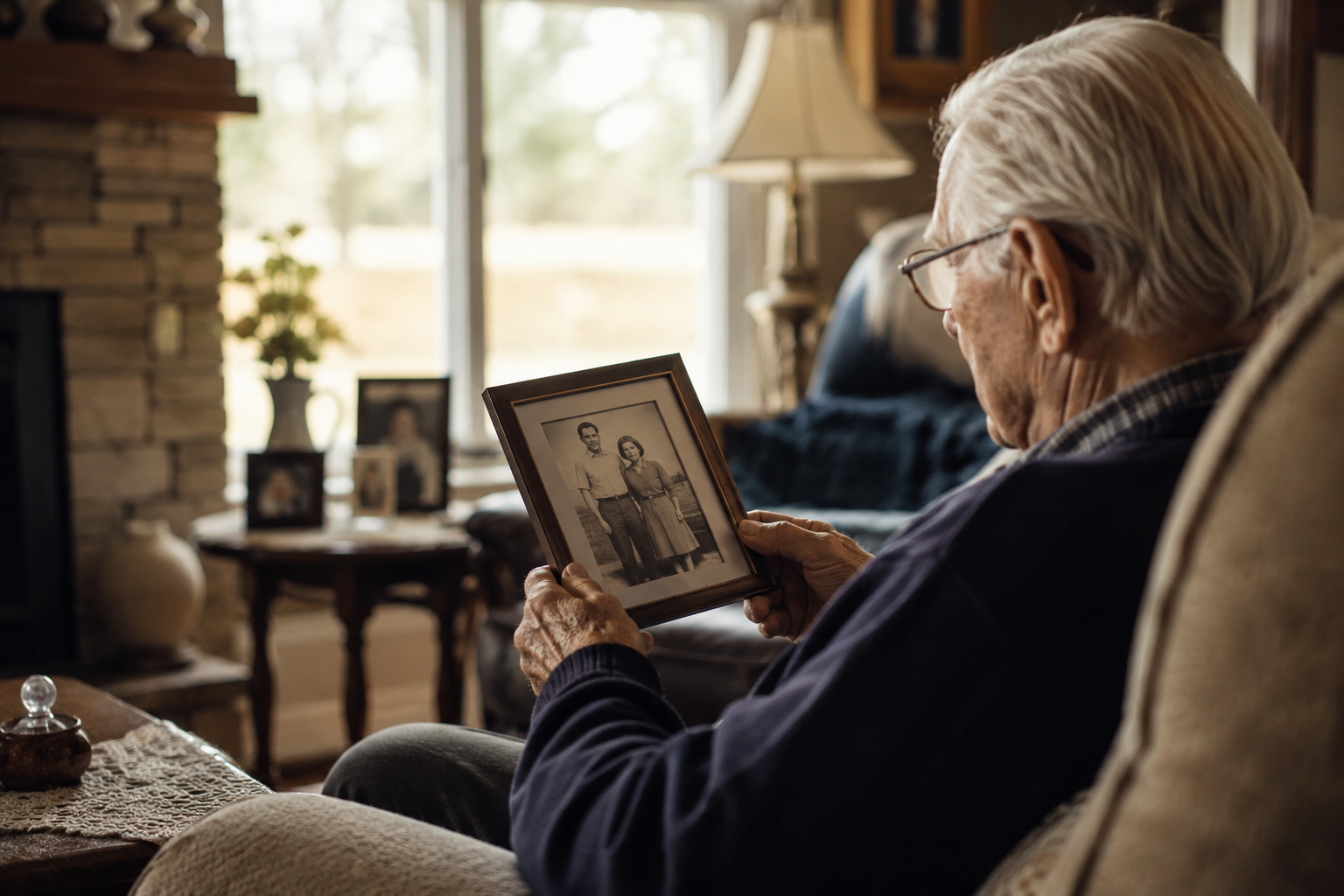
Why do people with dementia remember decades-old memories but forget recent events? Learn the science behind memory loss and how families can better connect with loved ones.

Many families begin researching assisted living in Colorado only after a crisis occurs. A fall, a hospitalization, worsening memory loss, or concerns about a loved one's safety often become the catalyst for exploring care options. However, waiting until an emergency forces the decision can create emotional, physical, and financial challenges that many families never anticipate. Whether you're considering Assisted Living in Centennial CO , Assisted Living in Littleton CO , or evaluating other senior care options in the Denver metro area, understanding the hidden costs of delaying care can help you make a more informed decision for your loved one. At Lighthouse Assisted Living, we've worked with many families who wished they had started the conversation sooner. Exploring care early often leads to better outcomes, smoother transitions, and greater peace of mind for everyone involved. The Emotional Cost: Living in Constant Uncertainty Adult children often notice subtle changes long before a major event occurs. Perhaps Mom is forgetting appointments more frequently. Maybe Dad seems withdrawn, misses medications, or struggles to maintain the house. Many families tell themselves: "It's probably just normal aging." "She's still doing okay." "We'll keep an eye on things." But as concerns accumulate, family members often find themselves living with ongoing worry and anxiety. Questions begin to linger: Is Mom eating enough? Did Dad remember his medication today? What happens if there's an emergency? The emotional toll of constantly worrying about a loved one's safety can become overwhelming. Exploring senior care options before a crisis occurs allows families to make decisions from a place of confidence rather than fear. The Physical Cost: Increased Risk of Falls and Medical Emergencies One of the most significant hidden costs of delaying residential assisted living is the increased risk of injury and preventable medical emergencies. As seniors age, everyday activities can become more challenging. Missed medications, poor nutrition, dehydration, and falls often become more common when older adults live alone without adequate support. Families researching Assisted Living Centennial CO , Assisted Living Littleton CO , or Assisted Living Englewood CO are often surprised to learn that many safety concerns can be addressed before they escalate into serious health events. For seniors experiencing cognitive decline, specialized Memory Care Colorado services can provide structured support, daily supervision, and personalized care plans that help reduce risks while preserving dignity and independence. Those living with Alzheimer's disease may benefit from dedicated Alzheimer's Care Littleton CO programs, while families facing dementia-related challenges often seek professional Dementia Care Centennial CO services that provide both safety and meaningful engagement. The Health Cost: Small Problems Become Bigger Problems Many health concerns begin gradually. A senior may start skipping meals because cooking feels overwhelming. Medications may become confusing. Doctor appointments may be forgotten. These seemingly small issues can compound over time. What starts as mild forgetfulness may eventually lead to: Medication complications Weight loss Increased hospitalizations Declining mobility Accelerated cognitive decline Early intervention and consistent daily support can often help seniors maintain a higher quality of life for longer. Families frequently discover that moving to a supportive environment earlier allows their loved one to thrive socially, physically, and emotionally. The Cost to Family Caregivers When families postpone exploring assisted living, caregiving responsibilities often increase significantly. Adult children frequently find themselves balancing: Careers Children Personal responsibilities Caregiving duties This can lead to caregiver burnout, chronic stress, and feelings of guilt. Many caregivers report spending countless hours coordinating: Medical appointments Medication management Transportation Meal preparation Household maintenance The reality is that caregiving can become a full-time job. Seeking professional support isn't giving up. It's ensuring your loved one receives the care they need while allowing family members to return to their most important role: being family. The Financial Cost Isn't Always What Families Expect One of the biggest misconceptions about assisted living is that waiting saves money. In reality, delaying care can sometimes lead to: Emergency room visits Hospital stays Rehabilitation costs Home modifications Private in-home caregiving expenses Increased medical complications Many families are surprised to discover that the combined costs of maintaining support at home can approach or even exceed the cost of an all-inclusive assisted living community. When evaluating options, it's important to compare the full picture rather than focusing solely on monthly housing costs. Why Earlier Transitions Often Lead to Better Outcomes One of the most overlooked benefits of exploring assisted living sooner is the opportunity for a smoother adjustment. When seniors move before a major health crisis occurs, they often have more energy and capacity to: Build new friendships Participate in activities Establish routines Become familiar with caregivers Enjoy a greater sense of community At Lighthouse Assisted Living, many residents enjoy daily activities such as music, gardening, crafts, exercise, games, outings, and memory therapy in a comfortable home-like environment. Rather than feeling isolated, residents often rediscover purpose, connection, and joy. A Different Approach to Assisted Living in Centennial, Englewood, and Littleton Choosing assisted living isn't about giving up independence. It's about creating an environment where seniors can receive the support they need while continuing to enjoy meaningful daily experiences. Lighthouse Assisted Living provides personalized care in residential homes throughout: Centennial, Colorado Englewood, Colorado Littleton, Colorado With specialized support for dementia care, Alzheimer's care, Parkinson's care, hospice care, and respite care, residents can age in place in a familiar and nurturing setting. Final Thoughts The hidden cost of waiting too long to explore assisted living isn't simply financial. It's the stress, uncertainty, health risks, caregiver burden, and missed opportunities for a better quality of life. Starting the conversation early gives families more options, more time, and greater peace of mind. Even if your loved one isn't ready to move today, learning about available care options now can help you make informed decisions when the time comes. If you've begun noticing changes in a loved one's safety, memory, or daily routines, now may be the perfect time to start the conversation.