Why do Infections Sometimes Look Different in Seniors?

April 23, 2026

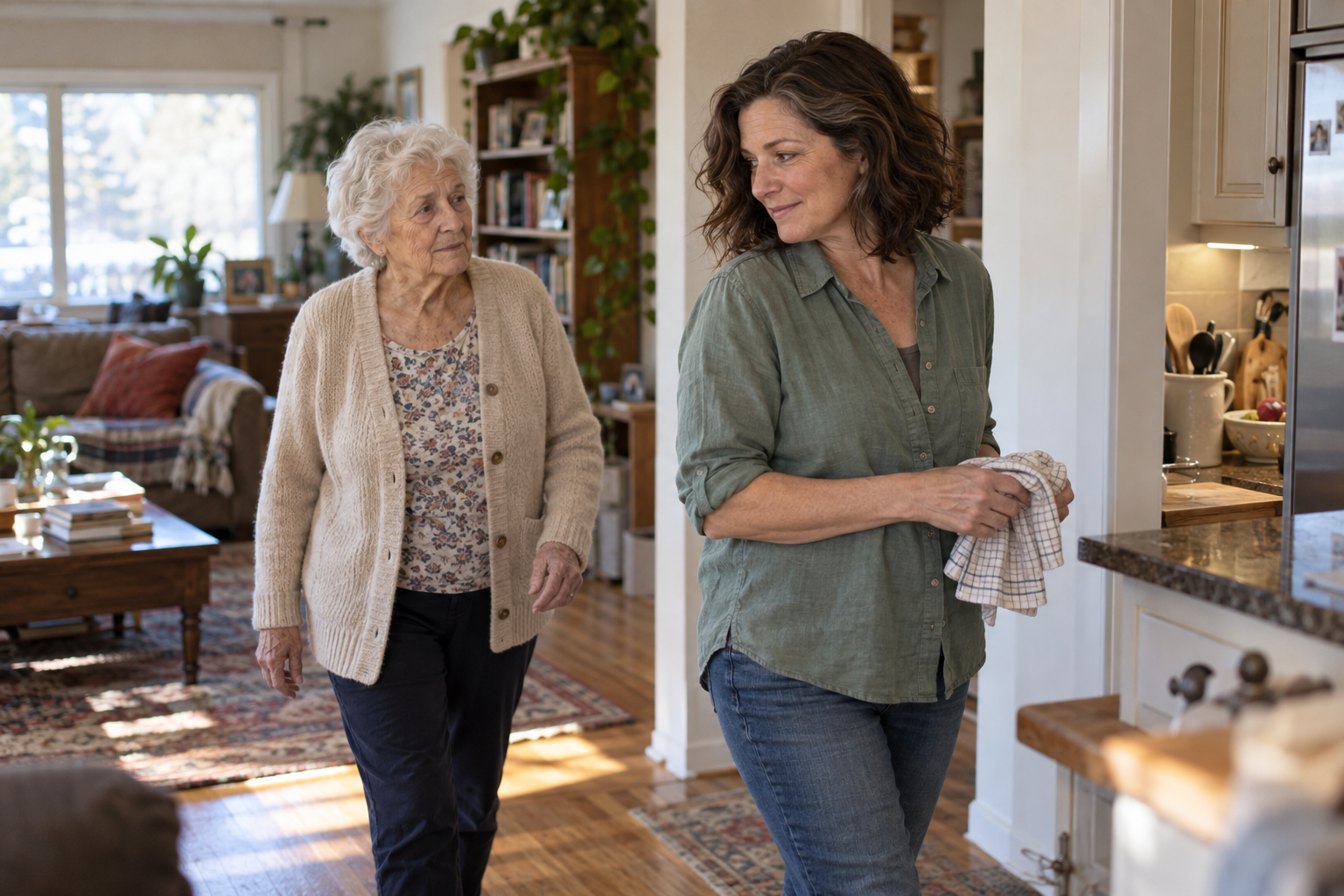
When most people think of an infection, they picture obvious symptoms—fever, coughing, pain, or fatigue. But in older adults, infections often appear differently. In some cases, the first signs are subtle changes in mood, energy, appetite, or alertness rather than the symptoms families expect.


Because the aging body responds differently to illness, even a mild infection can look unusual at first. A senior may seem more tired than usual, less interested in conversation, slightly confused, or simply “not quite themselves.”


Understanding these differences helps families recognize when extra attention may be needed.


Why the Body Responds Differently With Age


As people age, the immune system often reacts more slowly. This means infections may not always cause a strong fever or dramatic symptoms.


Instead, older adults may show quieter signs such as:

  • unusual tiredness
  • reduced appetite
  • increased sleepiness
  • less interest in normal activities
  • slower responses during conversation


For families searching for assisted living in Littleton CO, these subtle changes are often the kinds of things they notice first.


Confusion Can Sometimes Be an Early Sign


One of the most surprising ways infections can appear in seniors is through temporary confusion.


A person who normally follows conversation well may suddenly:

  • ask repeated questions
  • seem distracted
  • lose track of simple details
  • appear more forgetful than usual


This can happen because even minor infections sometimes affect hydration, circulation, and energy levels more quickly in older adults.


Urinary Tract Infections Often Present Differently in Seniors


Urinary tract infections (UTIs) are one example families often do not immediately recognize.


In younger adults, discomfort or burning may be obvious. In older adults, symptoms may instead appear as:

  • confusion
  • weakness
  • sudden fatigue
  • reduced appetite
  • changes in balance


That is one reason caregivers often watch carefully for small daily differences rather than waiting for obvious symptoms.


Why Appetite and Hydration Matter During Illness


A senior who suddenly eats less or drinks less may not simply be having an off day.


Even mild illness can quickly affect:

  • hydration
  • strength
  • alertness
  • blood pressure
  • comfort


For seniors living with memory changes, this can become even harder to notice without daily support.


Small Changes Often Matter More Than Families Expect


Sometimes the earliest signs are easy to dismiss:

  • wanting extra naps
  • speaking less than usual
  • sitting quietly through meals
  • not finishing a favorite snack


Individually these may seem minor, but together they often tell a fuller story.


Why Residential Assisted Living Helps Catch Small Changes Earlier


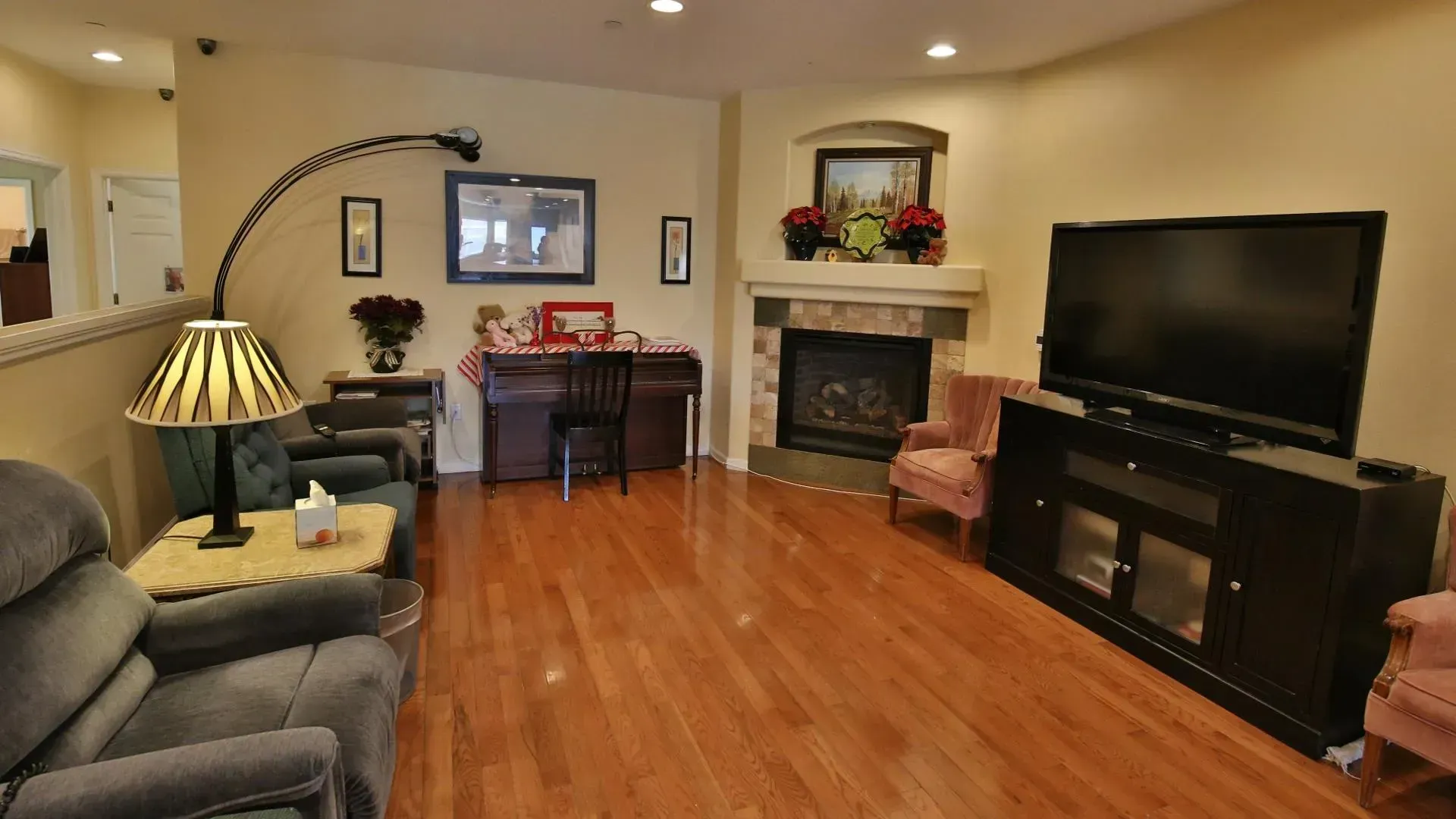
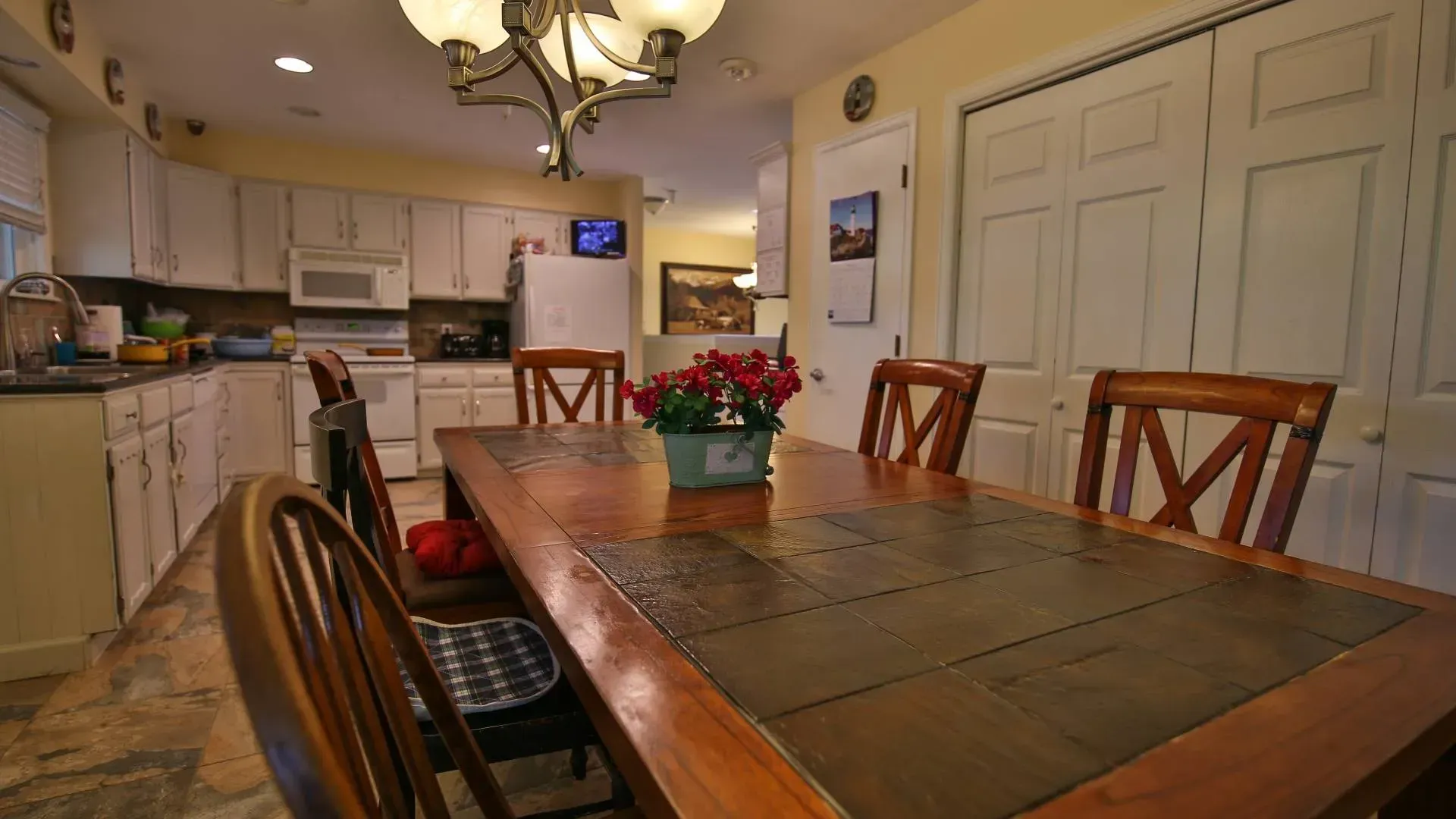
In a residential setting like Newland House, caregivers see residents throughout the day and notice subtle differences more quickly.


That may include:

  • someone quieter at breakfast
  • less steady walking
  • slower answers during conversation
  • less interest in afternoon activities


These daily observations help care remain responsive and personal.


Memory Care and Illness Can Overlap


For seniors living with dementia, infections can sometimes temporarily increase confusion or make daily routines feel harder.


This is one reason families exploring memory care in Littleton, Colorado often value settings where caregivers understand how health changes may appear differently in older adults.


When Families Should Pay Closer Attention


A single tired day is not always concerning. But families may want to ask more questions when changes appear suddenly or continue beyond a day or two.


Helpful things to watch for include:

  • unusual sleepiness
  • sudden confusion
  • less appetite
  • new weakness
  • reduced interest in conversation


Assisted Living in Littleton That Supports Daily Wellness


Families exploring senior care near Jefferson County, assisted living near Southwest Denver, or residential assisted living in Littleton often appreciate environments where daily observation is part of compassionate care.


At Lighthouse Assisted Living, everyday routines allow caregivers to notice small changes early while supporting comfort, dignity, and steady wellness.


For families wanting to understand how that looks in a residential setting, Newland House offers a helpful example of how attentive daily care supports both comfort and health.

April 14, 2026
Families often notice physical changes first—slower walking, reduced appetite, or more frequent fatigue. But in many cases, one of the earliest signs that extra support may be needed appears in conversation. A parent who once easily followed long discussions may begin losing track mid-sentence, repeating stories more often, or becoming quieter during family visits. These changes can happen gradually, which is why they are often easy to overlook at first. Not every communication change means something serious is happening, but patterns in conversation often give families helpful clues about how daily life is changing. Why Conversation Often Changes With Age As people get older, communication may naturally slow a little. Processing speed can change, hearing may become less sharp, and fatigue may affect how long someone wants to talk. Some normal age-related changes include: taking longer to answer questions pausing more often during conversation needing reminders during long discussions preferring quieter settings for conversation These changes alone are often part of normal aging. When Communication Changes May Suggest More Support Is Needed Sometimes families notice changes that feel different from normal slowing. Examples include: repeating the same story several times in one visit losing track of what was being said answering questions in unrelated ways withdrawing from group conversation seeming overwhelmed by too many voices at once These moments often appear before larger daily care needs become obvious. For families searching for assisted living in Littleton CO , subtle communication changes are often one of the earliest reasons they begin asking whether extra daily support would help. Why Quietness Can Sometimes Be Misread Some older adults simply become quieter because they are tired, hearing less clearly, or choosing words more carefully. Other times, reduced conversation happens because: social situations feel harder to follow memory changes create uncertainty hearing loss causes frustration energy is lower later in the day This is why noticing patterns matters more than isolated moments. How Daily Routine Can Support Better Communication Conversation often becomes easier when daily life feels calm and predictable. Helpful conditions include: regular mealtimes quiet surroundings one-on-one conversation familiar caregivers gentle pacing throughout the day When pressure is reduced, many seniors speak more comfortably and engage more naturally. Communication and Memory Care For seniors living with dementia, communication may change in ways families do not expect. Someone may remember emotions clearly while struggling with recent details. A person may answer warmly but lose track of specific questions. This is one reason families looking for memory care in Littleton, Colorado often value settings where caregivers understand how communication changes without rushing or correcting unnecessarily. How Residential Assisted Living Helps Caregivers Notice Small Changes In a residential setting like Wadsworth House, caregivers spend enough time with residents to notice small shifts in daily conversation. That might include: someone speaking less during breakfast needing more reminders during daily routines pausing more often than usual becoming quieter in the evening These observations help care stay personal and responsive. Why Families Often Notice It During Visits Many families first notice communication changes during ordinary visits: a shorter phone call less detail in conversation more repeated questions longer pauses than usual These moments often lead families to begin thinking differently about support. Assisted Living in Littleton That Supports Everyday Comfort Families exploring residential assisted living in Littleton , senior care near Jefferson County , or memory care near Southwest Denver often want an environment where daily interactions remain calm, patient, and personal. At Lighthouse Assisted Living, daily care is built around relationships, observation, and steady routines that help residents feel comfortable and respected each day For families learning what that looks like in a residential setting, Wadsworth House offers a helpful example of how small daily details—including conversation—can shape quality of life.
April 9, 2026
It is common for families to notice changes in sleep patterns as a loved one ages. A parent who once stayed active throughout the day may begin taking longer naps, resting more often, or seeming unusually tired in the afternoon. While some daytime sleepiness can be a normal part of aging, noticeable changes in sleep habits sometimes raise important questions. For older adults, increased daytime sleep can happen for many reasons, including natural changes in the body, medication adjustments, reduced activity, or underlying health concerns. Understanding what is typical—and when to pay closer attention—can help families feel more confident as they support aging loved ones. Why Sleep Patterns Change With Age As people get older, sleep often becomes lighter and more easily interrupted. Seniors may wake more often during the night, sleep fewer deep hours, or rise earlier than they used to. Because nighttime sleep may feel less restorative, daytime naps often become more frequent. Some older adults simply need more quiet time during the day, especially after meals or activities. A short nap is often normal and can even feel refreshing. Common Reasons Seniors Sleep More During the Day Several everyday factors can contribute to increased daytime sleepiness: medications that cause drowsiness reduced physical activity dehydration poor nighttime sleep changes in appetite low energy related to illness emotional stress or loneliness For families searching for assisted living in Centennial CO , sleep changes are often one of the first signs they notice when daily routines become harder to maintain alone. When Daytime Sleep May Need Closer Attention Sometimes increased sleep is simply part of normal aging. In other situations, it can signal that something else has changed. Families may want to pay closer attention if daytime sleep is accompanied by: reduced appetite new confusion increased weakness withdrawal from conversation difficulty waking changes in mood These changes do not always indicate a serious problem, but they are worth discussing with a healthcare provider when they become noticeable. Why Routine Helps Support Better Sleep Consistent daily structure often helps regulate sleep naturally. Simple routines can support healthier rest: waking at the same time each morning regular meals gentle daytime activity natural sunlight exposure limiting long late-afternoon naps In residential care settings, these patterns often happen more naturally because the day has gentle rhythm and consistency. Sleep Changes and Memory Care For seniors living with dementia, sleep patterns can shift even more noticeably. Some individuals may become tired during the day but restless in the evening, especially when natural day-night cues become harder to process. This is one reason families searching for memory care in Centennial, Colorado often value environments where daily routines are calm, predictable, and gently guided. How Residential Assisted Living Supports Healthy Daily Rhythms At Maplewood House, daily life is structured in a home-like way that supports both activity and rest without feeling rushed. Meals happen at regular times, caregivers help residents stay engaged during the day, and quiet periods are balanced with conversation, music, and simple daily routines. That balance often helps residents feel more comfortable throughout the day and sleep more naturally at night. When Families Begin Looking More Closely at Daily Patterns Often, sleep changes lead families to notice other small changes too: meals being skipped less interest in hobbies lower energy for personal care more time spent sitting quietly These moments often begin important conversations about support, safety, and daily comfort. For families exploring senior care near Greenwood Village , assisted living near Southglenn , or residential assisted living in Centennial , understanding these small patterns often helps guide the next step. A Gentle Reminder for Families Not every nap is a concern. Many older adults simply move at a slower pace and benefit from more rest. What matters most is whether sleep changes happen suddenly, increase significantly, or come with other noticeable differences in health or mood At Lighthouse Assisted Living, daily routines are designed to support comfort, dignity, and healthy rhythms in ways that feel natural and personal.
April 1, 2026
While assisted living families often focus first on meals, medication support, and safety, daily access to gentle outdoor time can also play an important role in healthy aging. At Lighthouse Assisted Living, simple moments outside are often part of a calm daily rhythm that helps residents stay connected to their surroundings and enjoy familiar comforts. Why Sunlight Matters for Seniors Natural daylight helps regulate the body’s internal clock. For older adults, especially those experiencing dementia, regular exposure to morning or afternoon sunlight can help support healthier sleep patterns. Benefits of sunlight often include: Better daytime alertness Improved nighttime sleep Support for natural circadian rhythms Increased vitamin D exposure Reduced feelings of restlessness For seniors living with memory loss, day and evening confusion can sometimes become more noticeable when natural light exposure is limited. A short period outdoors often helps reinforce daily orientation. Outdoor Time Can Improve Mood and Reduce Stress Many seniors experience emotional benefits simply by sitting outside in a peaceful setting. Even gentle activities such as: enjoying morning coffee outdoors sitting near flowers or greenery listening to birds feeling fresh air watching neighborhood activity can create calm and improve overall mood. For residents receiving memory care in Centennial, Colorado , familiar outdoor experiences often become grounding parts of the day. Gentle Movement Outdoors Supports Mobility Outdoor time also naturally encourages light physical movement. This may include: short assisted walks standing stretches walking to a patio gardening with support sitting upright in fresh air Even limited movement helps maintain circulation, joint comfort, and balance. For families searching for assisted living in Centennial CO , these small daily opportunities often matter as much as formal exercise. Why Outdoor Familiarity Helps Seniors Living with Dementia For individuals living with Alzheimer’s or dementia, sensory familiarity can be especially calming. The feel of sunlight, the scent of fresh air, and seeing familiar outdoor spaces often create emotional reassurance without requiring conversation or structured activity. This is one reason many families exploring dementia care near Greenwood Village or memory care near Southglenn look closely at how outdoor access is built into daily care. Residential Assisted Living Makes Outdoor Time Feel Natural In a residential assisted living setting, outdoor spaces are often easier to enjoy because they are close, familiar, and part of the home environment. At Irwin House, simple outdoor moments can happen naturally throughout the day rather than feeling scheduled or institutional. Whether sitting on a patio, enjoying fresh air between meals, or sharing conversation outdoors, these small moments often support both comfort and connection. Outdoor Time Supports the Whole Day Families are often surprised by how one quiet outdoor moment can improve the rest of the day: calmer afternoons easier meals improved evening rest reduced agitation more engagement with caregivers These benefits are often subtle, but over time they become meaningful parts of daily well-being. Assisted Living in Centennial That Feels Calm and Personal Families exploring residential assisted living in Centennial , senior care near Arapahoe County , or Alzheimer’s care in South Denver often value environments where comfort comes from simple, consistent daily experiences. At Lighthouse Assisted Living, outdoor moments are part of the larger goal: creating a home-like setting where residents feel secure, respected, and gently engaged each day. For families wanting to explore what that looks like in a residential setting, Irwin House offers a helpful example of how calm surroundings and thoughtful care work together.
March 28, 2026
For seniors living with dementia, the world can sometimes feel unpredictable. Small changes that may seem minor to others—different meal times, unfamiliar faces, changes in lighting, or unexpected noise—can create confusion or anxiety. That is why familiar daily routines are such an important part of quality dementia care. In memory care, consistency often helps residents feel secure. Knowing what comes next in the day can reduce stress and create comfort, especially for individuals experiencing short-term memory loss or changes in cognitive processing. At Lighthouse Assisted Living, routines are not treated as rigid schedules—they are gentle patterns that help each resident feel at home, supported, and connected. Why Routine Supports Emotional Well-Being in Dementia Care People living with dementia often respond better to environments where daily life feels familiar. Repetition can create emotional reassurance, even when short-term memory is affected. Simple daily patterns often support: Reduced anxiety and agitation Better participation during meals Improved sleep patterns Easier transitions between activities Greater comfort with caregivers A familiar morning routine, for example, can help residents begin the day calmly. Sitting in the same dining space, hearing familiar voices, and following predictable steps often creates a sense of stability. Familiar Moments Often Matter More Than Structured Activities In dementia care, meaningful engagement does not always come from large events or complicated schedules. Often, the most comforting parts of the day are ordinary moments repeated consistently. Examples include: Morning coffee at the same time each day Listening to favorite music after lunch Folding towels with a caregiver Sitting outdoors in the afternoon sun Watching a familiar television program Gentle conversation during evening quiet time These repeated moments often help residents feel grounded. How Residential Assisted Living Naturally Encourages Routine A residential assisted living environment often makes routine feel more natural because daily life happens in a home-like setting rather than a large institutional space. At homes like Elizabeth House, meals are shared in a family-style setting, caregivers remain familiar, and the pace of the day can be adjusted to individual comfort. For many families searching for memory care in Cen tenn ial, Colorado , this home environment becomes an important part of emotional well-being. Residents often benefit from seeing the same caregivers, hearing familiar voices, and participating in everyday routines that feel natural rather than scheduled. Why Familiar Caregivers Also Matter Routine is not only about timing—it is also about relationships. When seniors regularly interact with the same caregivers, trust develops more easily. Familiar caregivers often learn subtle preferences: How someone likes their breakfast Which music helps them relax When they feel most social Which daily habits bring comfort This personal knowledge becomes especially valuable in Alzheimer’s care in Centennial and throughout the South Denver area. Supporting Families During the Dementia Journey Families often notice that their loved one becomes calmer when daily life feels predictable. Even during visits, keeping routines familiar can help: Visit during the same time of day Bring familiar photos Share favorite snacks Sit in the same comfortable area Talk about familiar memories Small consistency often creates stronger comfort than long conversations. Dementia Care in Centennial, Colorado Families searching for assisted living in Centennial CO , dementia care near Greenwood Village , or memory care near Southglenn often look for more than medical support—they want an environment where daily life feels peaceful and reassuring. At Lighthouse Assisted Living, routines are part of how residents are cared for with dignity, patience, and warmth every day. For families exploring what daily life looks like in a residential setting, Elizabeth House offers a helpful example of how consistency and personal attention can support comfort throughout every stage of memory care.
March 27, 2026
When families begin searching for memory care in Centennial, Colora d o , they often focus first on medical needs, safety features, and staffing. Those are important priorities—but there is another factor that often has a powerful effect on daily wellbeing: familiar surroundings . For seniors living with dementia or Alzheimer’s, a care environment that feels calm, recognizable, and connected to familiar routines can make the transition into memory care much gentler. In many cases, the neighborhood itself becomes part of what helps a resident feel secure. Familiar Places Can Create Emotional Comfort Even when memory changes affect names, dates, or recent conversations, many seniors continue to respond positively to environments that feel known. This can include: quiet residential streets mature trees outside a window nearby churches familiar neighborhood sounds local traffic patterns regular family driving routes A familiar setting often reduces the sense of disruption that can happen during a move. Families researching dementia care in Centennial CO often notice that a home located in an established neighborhood feels less overwhelming than a large unfamiliar campus. Memory Care Feels Easier When Family Visits Stay Simple One practical reason neighborhood location matters is that families are more likely to visit often when care is nearby. When a memory care home is close to: Southglenn Cherry Knolls Foxridge Arapahoe Road corridors Littleton border neighborhoods it becomes easier to stop by after work, before dinner, or during regular errands. Frequent short visits often help seniors more than occasional long visits because they reinforce consistency and connection. This is especially important for residents adjusting to memory care during the first few months. Familiar Neighborhoods Support Daily Calm Seniors living with memory loss often respond strongly to routine. A peaceful residential setting can support that routine by limiting overstimulation. Compared with larger environments, smaller neighborhood homes often provide: quieter mornings easier transitions between activities less hallway noise fewer unfamiliar faces more predictable daily rhythms That predictability can improve both comfort and confidence. Families searching for residential memory care near Southglenn often discover that the overall environment affects wellbeing just as much as the care plan itself. Local Connection Helps Preserve Identity For many seniors, remaining near familiar parts of Centennial helps maintain emotional connection to lifelong routines. Passing familiar intersections, hearing neighborhood sounds, or recognizing nearby landmarks can offer reassurance even when verbal memory becomes more difficult. That is one reason some families prefer smaller homes located inside established neighborhoods rather than large institutional campuses. A Home-Like Setting Can Ease the Transition into Memory Care Moving into memory care is a major emotional step for families. The setting often shapes how comfortable that transition feels. For families considering local options, Steele House in Centennial offers a residential care environment within an established Centennial neighborhood, where individualized support and a home-like atmosphere remain central to daily life. A smaller home often helps residents settle more naturally because routines feel personal rather than clinical. Choosing Memory Care Is About More Than Clinical Support Medical care matters, but comfort matters too. The right environment often includes: trusted caregivers peaceful daily routines familiar surroundings consistent family connection opportunities for conversation and engagement When these pieces come together, seniors often feel more secure and families feel more confident in the care decision.
March 24, 2026
Finding the right care for a loved one with memory loss is never just about checking boxes. Families want to know their parent, spouse, or relative will be safe, comfortable, and treated with genuine compassion. For many, that search starts with looking at options for memory care in Englewood, CO and trying to understand what will truly feel right. While every family’s needs are different, one thing matters almost every time: environment. A warm, residential setting can feel far more personal and reassuring than a large, unfamiliar facility. Lighthouse Assisted Living’s Emporia House in Englewood , located at 6318 S. Emporia Circle, Englewood, CO 80111 , reflects that smaller, home-like approach, with inviting shared living spaces, an open dining area, a patio, and accessible features such as a walk-in bathtub. A Home-Like Setting Can Feel More Comforting For seniors living with Alzheimer’s disease or other forms of dementia, surroundings can make a meaningful difference. Spaces that feel calm, familiar, and easy to navigate can help reduce stress and create a stronger sense of security. That is one reason many families looking for assisted living in Englewood, CO or dementia care in Englewood, CO are drawn to smaller residential homes. A setting that feels more like a house and less like an institution can support comfort in everyday life. Simple things — a cozy living room, a dining table where residents gather, natural light, and outdoor sitting areas — can all contribute to a more peaceful daily rhythm. Emporia House’s page highlights those kinds of home-style features, including common living areas, dining space, and a patio for outdoor enjoyment. Look for Spaces That Encourage Daily Connection Memory care is not only about safety. It is also about quality of life. When families tour senior care in Englewood, CO , it helps to notice whether the space encourages connection. Are there comfortable shared areas where residents can sit together? Does the dining space feel welcoming? Is there a place to enjoy fresh air or spend quiet time outdoors? These details matter because they shape the everyday experience of residents and visiting family members alike. A smaller setting can make conversations feel easier, routines feel more natural, and care feel more personal. At Emporia House in Englewood , the residential layout shown on the location page gives families a look at spaces designed to feel comfortable and lived in rather than overwhelming or impersonal. Safety and Accessibility Should Be Easy to See When comparing options for Alzheimer’s care in Englewood, CO , families often focus first on care services, but the physical environment is important too. Accessibility features can play a major role in daily comfort and confidence. Bathrooms, bedrooms, dining areas, and walkways should feel easy to use and supportive of changing needs. At Emporia House, the location page specifically shows accessible bathroom features including a walk-in bathtub, which can be reassuring for families thinking about mobility, bathing support, and personal care needs. A good tour should help families picture daily life. Can your loved one move comfortably through the home? Does the setting feel manageable and calm? Is it a place where they could settle in and feel at ease? Outdoor Areas Add Comfort and Variety Fresh air and a change of scenery can be uplifting for many older adults. Even a simple patio or enclosed outdoor sitting space can create opportunities for calm moments, family visits, and seasonal enjoyment. For those searching for residential assisted living in Englewood , outdoor features can be one more sign that a home is designed for real daily living. The Emporia House page includes a patio area, which adds to the home-like feel and gives residents another place to relax and enjoy the day. Ask the Right Questions During a Tour When families begin visiting memory care near Englewood, CO , it helps to go beyond appearances and ask thoughtful questions, such as: How does the home support residents with dementia or Alzheimer’s? What does a typical day look like? How do caregivers get to know each resident personally? How are meals, bathing, and medication support handled? What makes this home feel different from a larger facility? How often can family members visit and stay involved? The right community should welcome those questions. Lighthouse’s Emporia House page invites families to schedule a tour , making it easier to see the setting in person and decide whether it feels like the right fit. Why Location Matters for Families in Englewood Convenience is not everything, but it does matter. A home that is close to family members can make regular visits easier and help loved ones stay involved. That is one reason families often begin by looking for assisted living near Englewood , not just in the broader Denver area. Choosing a local option can help visits feel more natural and more frequent. It can also make the transition easier for families who want to stay connected to their loved one’s care, routines, and daily life. A More Personal Option for Assisted Living in Englewood, CO Families looking for memory care in Englewood, CO are often hoping for more than clinical support. They are looking for warmth, familiarity, and peace of mind. They want to know their loved one will be cared for in a place that feels safe, respectful, and genuinely personal. That is why many families are drawn to smaller residential homes like Emporia House - Englewood . With its home-like setting, inviting common areas, patio, and tour availability, it gives families a more personal option to consider as they explore assisted living in Englewood, CO . If you are beginning your search for dementia care in Englewood, CO or Alzheimer’s care in Englewood , taking a tour can be one of the best next steps. Seeing the environment in person often helps families feel the difference right away.
March 19, 2026
When a loved one begins to need more support, families often face a deeply personal question: what kind of senior care setting will feel the most comforting, safe, and supportive? For many, the answer is not a large, busy facility. Instead, a smaller, more personal home environment can offer something truly meaningful — peace, familiarity, and a stronger sense of belonging. For seniors living with Alzheimer’s or other forms of dementia, environment matters. Daily life can feel confusing when routines change, unfamiliar faces come and go, or noise and activity become overwhelming. That is one reason many families exploring assisted living in Littleton, CO are drawn to smaller residential homes that feel calm, consistent, and welcoming. At Lighthouse Assisted Living, we have seen how a home-like setting can make a real difference for residents and their families. In a smaller care environment, seniors are not just one of many. They are known, understood, and cared for as individuals. A More Familiar Setting Can Reduce Stress For older adults with memory loss, familiarity is comforting. A smaller assisted living home often feels more like a true residence than an institution. There may be a cozy living room, a family-style dining area, familiar daily rhythms, and caregivers who know each resident’s preferences, routines, and personality. This kind of setting can be especially helpful for those in need of memory care in Littleton, CO . When the environment is less overwhelming, residents may feel more settled and secure. A quieter space with fewer transitions throughout the day can help reduce agitation, confusion, and anxiety. Families often tell us they notice a difference when their loved one moves into a smaller home. The atmosphere feels gentler. Conversations feel more personal. Care feels more connected. Consistent Caregivers Build Trust One of the greatest benefits of a smaller assisted living home is the opportunity for stronger relationships. In larger communities, residents may interact with many different staff members throughout the week. In a smaller home, caregivers often get to know residents much more closely. That consistency matters. For seniors with dementia, familiar caregivers can provide reassurance and emotional stability. Recognizing the people who help with meals, bathing, medications, and daily routines can make each day feel more manageable. Trust builds over time, and that trust supports dignity. Families searching for dementia care in Littleton, CO are often looking for more than clinical support. They are looking for caregivers who will treat their loved one with patience, kindness, and respect. Personal relationships are a big part of that experience. A Calm Environment Helps Residents Feel at Home Large spaces, long hallways, loud dining rooms, and constant activity can be overstimulating for seniors with cognitive decline. A smaller residential setting offers a different pace. It can feel calmer, quieter, and easier to navigate. That can have a meaningful effect on daily quality of life. In a more intimate environment, residents may feel more comfortable joining activities, sitting with others, or simply relaxing in shared spaces. They are often able to settle into routines that feel natural and reassuring. This is especially important in Alzheimer’s care in Littleton, CO , where predictability and comfort can support emotional well-being. At Lighthouse, we believe care should feel personal. Residents deserve support in a place that feels warm and lived-in, not cold or impersonal. Personalized Attention Makes a Difference Every senior has a unique story, personality, and care need. Smaller homes make it easier to tailor support in ways that feel thoughtful and respectful. Some residents enjoy conversation over coffee in the morning. Others feel best with a slower start to the day. Some benefit from music, reminiscing, gardening, or simple daily routines that bring comfort and familiarity. In a smaller assisted living home, staff can often respond more closely to those individual needs. This is one reason families looking for senior care in Littleton, CO often appreciate a more residential model. Personalized attention is not an extra feature. It is part of everyday life. Whether a resident needs help with personal care, medication management, mobility, memory support, or hospice coordination, care can be offered in a way that protects dignity and promotes comfort. Family-Style Living Encourages Connection Smaller homes naturally create more opportunities for connection. Residents often share meals together, enjoy familiar activities in common spaces, and build relationships with caregivers and fellow residents in ways that feel genuine. That sense of community matters. Seniors do not just need care — they need companionship, purpose, and moments of joy. In a home-like setting, everyday experiences can feel more natural. Sharing a meal, listening to music, watching a favorite show, working on a puzzle, or spending time outdoors can all help support emotional well-being. For families considering residential assisted living in Littleton, CO , this type of environment can offer reassurance that their loved one will be cared for as a whole person. Smaller Homes Can Support Aging in Place Another important consideration for families is whether a loved one will be able to remain in the same setting as care needs change. Smaller assisted living homes that provide a high level of personalized support may allow residents to age in place more comfortably. That means less disruption, fewer major transitions, and more continuity for the resident and family. For someone living with progressive dementia or other complex needs, that continuity can be incredibly valuable. Families researching long-term care in Littleton, CO often want a place where their loved one can remain safe, supported, and known over time. A smaller care home may offer exactly that. Choosing Assisted Living in Littleton, CO with Heart Finding the right assisted living option is about more than services on a checklist. It is about choosing a place where your loved one will feel safe, respected, and genuinely cared for. For many families, a smaller home offers the comfort they have been hoping to find. It feels more personal. More peaceful. More like home. At Lighthouse Assisted Living, we are proud to provide compassionate, home-like assisted living in Littleton, CO for seniors who need support with daily living, memory care, dementia care, and more. We believe every resident deserves to be known by name, cared for with dignity, and surrounded by warmth. If you are exploring memory care in Littleton, CO or looking for a more personal approach to senior living in Littleton , we invite you to learn more about our homes and the care we provide.
March 11, 2026
For many families, the decision to explore assisted living begins gradually. A parent who once managed everything independently may start missing medications, forgetting appointments, or needing more help around the house than before. These changes often happen slowly, making it difficult to know when support is truly needed. If you are researching assisted living in Centennial, CO , you are likely trying to balance two important goals: helping your loved one stay safe while preserving as much independence as possible. The truth is that many seniors wait too long before receiving the daily support that could improve both safety and quality of life. Recognizing the early signs can help families make thoughtful decisions before a crisis forces urgent action. Daily Tasks Are Becoming More Difficult One of the earliest signs that a senior may benefit from additional support is difficulty managing ordinary daily routines. This may include: Forgetting meals or eating poorly Wearing the same clothing repeatedly Difficulty bathing or grooming Missed medications Unopened mail piling up Trouble keeping up with laundry or housekeeping These changes are often subtle at first, but over time they can affect health, safety, and emotional well-being. Many families searching for senior care in Centennial, Colorado first notice these patterns during regular visits or phone calls. A once-organized parent may begin to struggle with tasks that previously felt automatic. Falls or Mobility Concerns Are Increasing Even small mobility issues can create serious risks at home. Warning signs may include: Difficulty standing up from chairs Unsteadiness while walking Bruises from minor falls Fear of using stairs Avoiding showers because of balance concerns A single fall can quickly change a senior’s health and independence. That is why many families begin looking into small assisted living homes in Centennial before mobility issues become dangerous. Residential assisted living homes often provide a safer environment with staff nearby, accessible bathrooms, and daily support with movement when needed. Memory Changes Are Becoming Hard to Ignore Memory loss often develops gradually, which can make it difficult for families to determine when help is necessary. Signs that deserve attention include: Repeating the same questions Forgetting recent conversations Missing appointments Confusion about dates or time Misplacing important items Difficulty following familiar routines For seniors experiencing cognitive decline, the right environment can make a tremendous difference. Families researching memory care in Centennial often discover that smaller home settings provide less confusion than larger communities. Familiar surroundings, consistent routines, and trained caregivers can help reduce anxiety and support daily comfort. Isolation Is Affecting Emotional Health Many seniors who live alone gradually become isolated, especially after losing a spouse, reducing driving, or facing physical limitations. Isolation can lead to: Depression Poor appetite Less physical movement Cognitive decline Increased anxiety A senior may say they are “fine,” while quietly withdrawing from activities they once enjoyed. A well-designed Centennial assisted living home offers more than care—it creates daily connection through shared meals, conversation, activities, and companionship. This social interaction often improves mood in ways families immediately notice. Medication Management Is No Longer Reliable Medication mistakes are one of the most common reasons families begin exploring assisted living in Centennial, CO . Signs include: Pills left untouched Double dosing Confusion about schedules Expired medications in cabinets Even minor medication errors can quickly lead to hospitalization or health setbacks. In assisted living, medication administration becomes part of daily care, reducing risk and giving families peace of mind. Home No Longer Feels Safe Sometimes the strongest sign is simply that home has become difficult to manage safely. You may notice: Burners left on Doors unlocked Spoiled food in the refrigerator Missed bills Difficulty responding to emergencies Families often realize they are worrying constantly. That ongoing worry is often a signal that more support is needed. Why Smaller Residential Homes Often Feel Better Many families initially picture large senior communities when they hear the term assisted living. But for many seniors, a smaller residential setting feels far more comfortable. Families looking for small assisted living homes in Centennial often appreciate: Quieter surroundings More personalized care Familiar routines Strong caregiver relationships A true home environment This type of setting can be especially helpful for seniors living with dementia, anxiety, or those who simply prefer a calmer pace. Local Options for Centennial Families When families begin exploring local support, it helps to know there are several residential care options close to home. Lighthouse Assisted Living offers multiple Centennial homes where residents receive personalized care in warm residential settings, including: Steele House Elizabeth House Irwin House Maplewood House These homes allow families searching for assisted living in Centennial, CO to choose an environment that feels comfortable while remaining close to familiar neighborhoods, physicians, and family visits. Sometimes the Best Time Is Before a Crisis One of the hardest parts of this decision is that many families wait for a major event—a fall, hospitalization, or medical emergency—before taking action. But often, the best transition happens earlier, when a loved one can still adjust gradually and become comfortable in a new environment. If you are researching senior care in Centennial, Colorado , asking questions now can help you make a thoughtful decision instead of a rushed one later. The goal is not simply to add care. It is to create a daily life where your loved one feels safe, supported, known, and at home.
March 6, 2026
Finding the right place for a loved one to live and receive care is one of the most important decisions a family can make.  Many adult children reach a moment when they realize a parent may need more support with daily life—whether that means help with medications, mobility, memory challenges, or simply the comfort of having someone nearby. If you’re researching assisted living in Englewood, CO , you may feel overwhelmed by the number of choices available. Large facilities, smaller residential homes, memory care communities—each option offers something different. Understanding what truly matters in senior care can help you make a confident and compassionate decision for your loved one. Below are several key things Englewood families should look for when choosing assisted living. A Home-Like Environment That Feels Comfortable One of the first things families notice when touring different communities is how the environment feels. Some assisted living communities are large, apartment-style facilities with dozens or even hundreds of residents. While these can offer amenities, they may feel overwhelming for seniors who prefer quieter surroundings. Many families searching for senior care in Englewood, Colorado discover that smaller residential assisted living homes offer a more peaceful and personal atmosphere. Instead of long hallways and large dining rooms, residents live in a true home setting. This type of environment can provide: A calmer daily routine Less noise and confusion Familiar surroundings More meaningful interaction with caregivers For many seniors—especially those experiencing cognitive changes—feeling comfortable and secure in their surroundings makes a tremendous difference. Personalized Care That Adapts Over Time No two seniors have the same needs. Some residents simply need help with meals, housekeeping, or medication reminders. Others may require assistance with bathing, dressing, mobility, or health monitoring. When evaluating assisted living in Englewood, CO , families should ask how care plans are created and updated. A strong assisted living home will provide: Individualized care plans Regular nursing assessments Medication management Assistance with daily activities Coordination with outside medical providers Care needs can change over time, which is why it’s also important to choose a place where residents can age in place whenever possible. This means your loved one can continue living in the same home even if their care needs increase. Compassionate Staff Who Build Real Relationships Caregivers are truly the heart of any assisted living home. Beyond professional training, families should look for staff members who show genuine warmth, patience, and respect for residents. Seniors thrive when they feel known and valued—not just cared for. When touring a community, pay attention to how caregivers interact with residents. Do they know residents by name? Are conversations warm and natural? In smaller Englewood assisted living homes , staff often have the opportunity to build deeper relationships with residents because they care for fewer individuals at a time. This can create a more family-like environment where residents feel truly supported. Specialized Support for Memory Care Many families begin exploring assisted living because a parent is showing signs of dementia or memory loss. Conditions like Alzheimer’s disease can make daily life more challenging and may require specialized care. When evaluating memory care in Englewood , it’s important to consider whether staff are trained to support cognitive changes and behavioral symptoms associated with dementia. Look for communities that offer: Structured daily routines Memory therapy and reminiscing activities Calm, familiar environments Staff trained in dementia care Safety features that protect residents while maintaining dignity A supportive memory care environment helps reduce anxiety and confusion while preserving independence as much as possible. Activities That Support Joy and Engagement Quality assisted living is about much more than medical care—it’s about helping seniors continue to experience joy, connection, and purpose. Families searching for small assisted living homes in Englewood often appreciate communities where residents participate in meaningful daily activities. These might include: Music and sing-alongs Arts and crafts Puzzles and games Gardening Cooking and baking Exercise and walks Watching favorite programs together Group outings to restaurants or parks Engaging activities help residents stay mentally stimulated and socially connected, which can have a powerful impact on overall wellbeing. Nutritious Meals and Everyday Comforts Simple comforts can make a big difference in daily life. Home-cooked meals, cozy living spaces, and a relaxed routine can help residents feel truly at home. In many residential care homes, meals are prepared in a family-style kitchen and shared together around the table. This type of setting often feels far more natural and welcoming than large institutional dining halls. For seniors transitioning from their own homes, maintaining these familiar rhythms can ease the emotional adjustment to assisted living. A Community That Treats Residents Like Family Ultimately, the right assisted living home should feel like an extension of family. Many families looking for assisted living in Englewood, CO say they knew they had found the right place when they felt a sense of warmth the moment they walked through the door. The best communities focus not only on safety and care—but also on dignity, respect, and meaningful human connection. At Lighthouse Assisted Living, our Englewood assisted living home was designed to provide exactly that kind of environment. Residents enjoy personalized care, engaging activities, and a comfortable home setting where they can truly feel at ease. Finding the Right Fit for Your Loved One Every family’s journey into assisted living is different. Some are planning ahead, while others are responding to a sudden health change or safety concern. If your family is exploring assisted living in Englewood, CO , taking time to visit homes, ask questions, and observe daily life can help you find the right fit. The goal is not simply to find a place that provides care—but a place where your loved one can feel safe, supported, and truly at home. And when that happens, families often discover something they didn’t expect: peace of mind knowing their loved one is surrounded by compassionate people who genuinely care.
Family of six smiling for a photo. A woman and man stand with their four sons.
May 19, 2025
Navigating the logistics of moving a senior loved one across states or even across the country can be overwhelming—emotionally, physically, and financially. Many families face tough decisions when trying to relocate aging parents or grandparents closer to home, often with limited resources and few safe options tailored to senior-specific needs.  That’s where Specialty Transportation Concierge (STC) comes in—a new, compassionate solution bridging the gap between clinical medical transport and the personal care that seniors truly need. Founded by healthcare veteran Liz Littleton , STC is transforming the way older adults move across long distances by providing safe, affordable, and personalized relocation services for seniors and their families.
Show More